
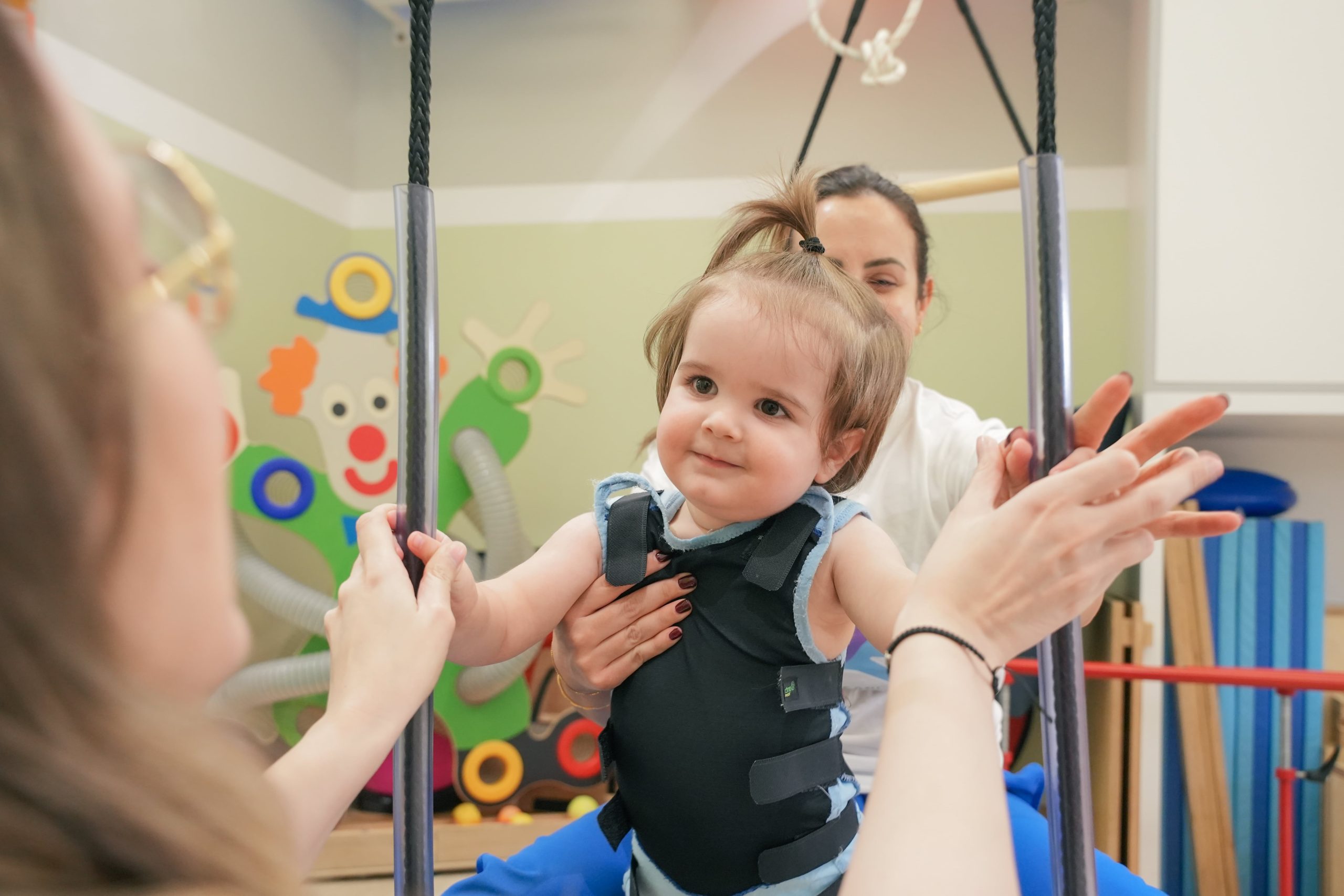
Premature babies often face challenges with movement, strength, and early development because their bodies were born before completing key growth stages. Gentle therapy can support these early needs and help them feel more comfortable in their tiny bodies.
In this context, baby physiotherapy plays a supportive role in guiding early progress through soft, carefully planned movements.
Early Support for Delicate Bodies:
Premature babies may have weaker muscles or less control of their movements. Early support helps them build the foundation they need for feeding, breathing comfort, and early motor skills. Therapists use slow, soft techniques that respect the baby’s pace and sensitivity, creating a calm and nurturing experience.
Building Strength Through Gentle Touch:
Therapists use controlled hands-on techniques to help babies develop stronger muscles. These light movements guide the baby’s body into positions that encourage better control. With regular sessions, babies grow more comfortable stretching, lifting their head, or adjusting their limbs during early developmental stages.
Encouraging Early Movement Patterns:
Premature babies sometimes need extra help learning how to coordinate their arms, legs, and head. Guided exercises help shape early patterns like reaching, kicking, and turning. These small actions support later milestones and help the baby interact more comfortably with caregivers and surroundings.
Supporting Breathing and Comfort:
Physiotherapy can help improve chest movement and breathing rhythms. Gentle chest touches and positioning techniques create more comfort during rest and feeding. Premature babies often respond positively to improved breathing comfort, leading to calmer sleep and easier transitions during daily routines.
Helping with Feeding Coordination:
Some premature babies struggle with feeding due to weak mouth or neck muscles. Therapists support these areas through soft stimulation and positioning that encourage better control. Improved feeding coordination helps babies gain strength, stay alert longer, and participate more naturally during mealtimes.
Partnering with Parents:
Therapists share simple movements, holds, and comforting positions that parents can use at home. This builds confidence and helps the baby feel secure during everyday interactions, creating a peaceful environment for growth.
Adapting Care to Each Baby:
Every premature baby has unique needs. Therapists adjust their methods to match the baby’s comfort level, responses, and growing skills. This gentle, adaptable approach helps babies feel safe while slowly building resilience and confidence in their movement.
Premature babies can grow stronger and more comfortable with steady support, gentle techniques, and thoughtful care. Infant physiotherapy nurtures early movement, feeding comfort, breathing patterns, and emotional security, giving premature babies a stronger start as they continue to grow.